
HARMA Fury Build Guide: Berserk Damage Scaling
How to build and pilot a HARMA Fury build: stack Berserk, survive the setup, and convert Fury into boss damage.
Fury is the most explosive HARMA lane and the easiest one to throw away. Berserk cards build Fury stacks, and those stacks turn your attacks into boss-sized hits. The catch is that building Fury takes turns, and the bosses you want to hit are the ones most likely to kill you during those turns. A good Fury deck is not just a pile of damage cards; it is a damage engine with a defensive floor and a plan for the turn it goes off. This guide covers the setup, the payoffs and the mistakes that end runs. If you are still choosing a lane, the best builds page→ compares all four.
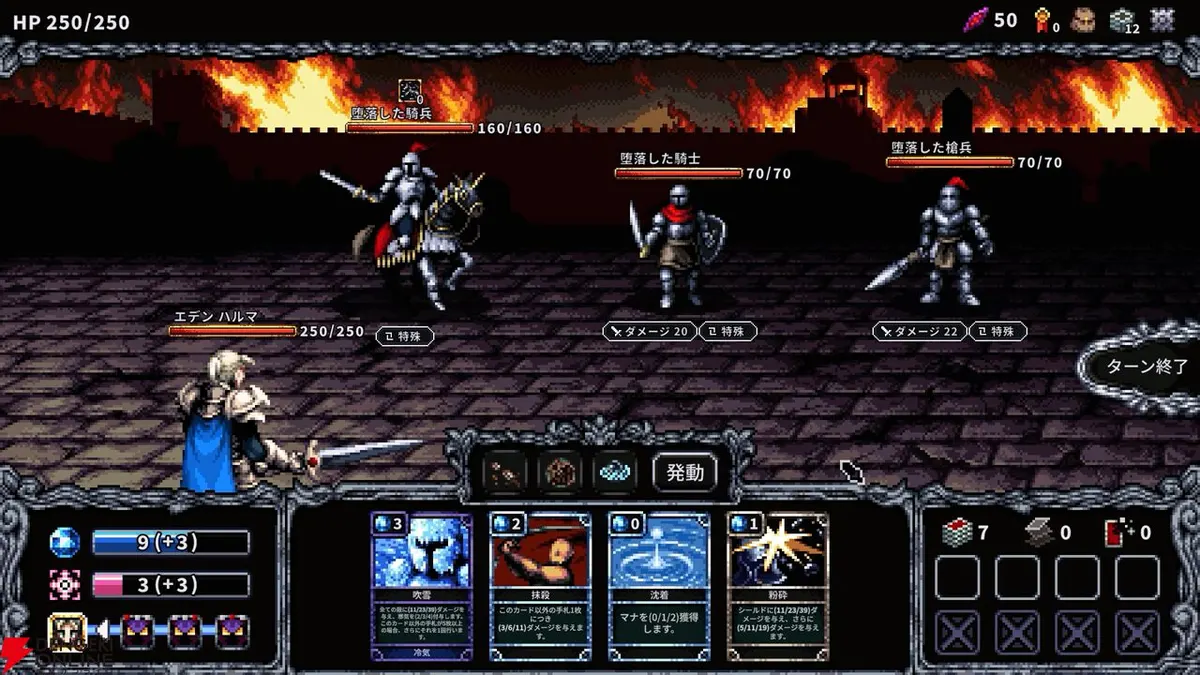
How Fury Works
Fury is a stacking offensive resource. Berserk cards add stacks, and certain payoffs consume or scale with them. The 50 Fury achievement confirms that the engine is designed to reach high stacks in a single fight, not just tick along at a low number. The longer the fight, the more Fury you can build, which makes the lane strong against bosses with large HP pools and weak against enemies that die before the engine starts.
The key decision is when to convert. Spending Fury too early gives you a modest hit and leaves you with no resources for the boss phase. Holding too long means you die with a full stack bar. The right answer depends on the enemy's next action and your defensive options.
Core Card Priorities
- Cheap Berserk setup cards. You need to build stacks without spending your whole turn.
- A reliable block or damage-reduction card. Fury decks that ignore defense do not reach the payoff.
- One big Fury spender. A card that converts stacks into a single massive hit or a multi-target burst.
- Draw or energy support. The engine needs enough cards to keep the chain going.
Avoid cards that require Frost or Burn setup. Fury wants a clean lane. A dual-affinity card is fine if its Berserk half is the part you actually use.
Artifact Priorities
Fury wants high success rates on its setup cards and its finisher. A failed finisher is catastrophic because you spent the whole fight building stacks. Rate-boosting artifacts are therefore premium. If you find an artifact that increases damage at the cost of success rate, think carefully: the flat damage may help your setup attacks, but it can also cause the finisher to miss.
Blue Pyramid is a reasonable early pick for the same reason: the safety net protects your expensive turn. Later, replace it with a payoff artifact once your deck has enough redundancy.
The turn after you reach a high Fury count is the turn the boss will try to kill you. Keep a block card or a defensive artifact for that window.
Turn Pattern
- Setup turn: play cheap Berserk cards and build Fury while taking manageable damage.
- Stabilize turn: block or reduce incoming damage, especially before a boss's big attack.
- Payoff turn: spend Fury on the finisher when the enemy is in range or when a phase is about to end.
- Reset: rebuild if the fight continues, but do not over-extend without a defensive plan.
Against multi-enemy fights, use AoE setup cards to build Fury while clearing adds. Against a single boss, focus on stacking and surviving; do not split damage across irrelevant targets.
Boss Matchups
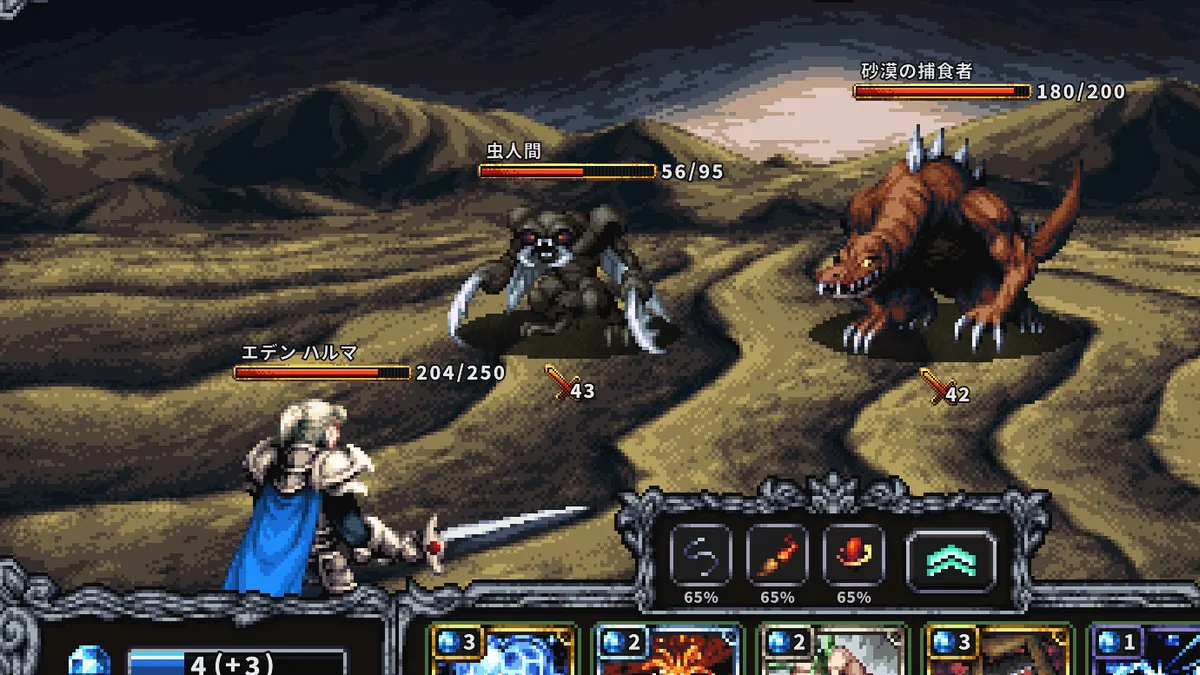
Fury is excellent against bosses that give you time to build, and dangerous against bosses with burst turns that punish greedy setup. Dual Head is a reasonable early test: if you can survive both heads' pressure while building, the payoff will land. Tyrant Dragon's defensive conversion means you need to time the finisher after its defense is down or bring enough damage to punch through. Mortes is the ultimate test: the fight is long, the Ordeals demand specific answers, and a Fury deck that cannot defend will not reach the finish.
The boss guide→ has the full order and mechanics.
Co-op Fury
In co-op, Fury needs a partner who can cover its setup turns. A Crusade or Frost teammate can provide block, freeze or extra actions while you build. Do not run four Fury decks; the team will have no defensive floor and will fold to the first big boss turn. Mimic is strong on a Fury finisher, but coordinate so the doubled card lands on the right target.
Common Mistakes
- Spending Fury on a weak turn because the button was available.
- Skipping defense to build one more stack.
- Taking Broken Sword and missing the finisher.
- Splitting into Burn or Frost before the Fury engine is complete.
FAQ
How high should I stack Fury before spending? There is no universal number; spend when the hit kills or when the boss phase is about to end. The 50-stack achievement is a target, not a rule.
Is Fury bad without a healer? No, but it needs block or damage reduction. A healer covers mistakes; a defensive card prevents them.
Can Fury clear Rift 15? Yes, with a coherent deck and a defensive plan. It is less forgiving than Crusade or Burn for a first clear.
Official source: HARMA on Steam ↗
Sources
- HARMA on Steam ↗
- HARMA Steam news and patch notes ↗
- HARMA Early Access roadmap on Gematsu ↗
- HARMA launch report on AUTOMATON ↗