
HARMA Best Builds: Four Affinities Ranked
The best HARMA builds in Early Access: Burn, Fury, Frost and Crusade ranked by consistency, boss coverage and difficulty.
There is no single best HARMA build in Early Access, but there are clear differences in consistency. Burn and Crusade are forgiving because their payoffs arrive without perfect sequencing. Fury is the highest-ceiling lane if you can survive the setup. Frost is the most control-oriented and the most punishing when you misread a boss turn. This page ranks the four lanes for a fresh account, then points to the detailed build guides. Treat the ranking as a starting point, not a tier list carved in stone; balance patches and new cards can move it. If you have not picked a lane yet, the beginner guide→ covers the first run.
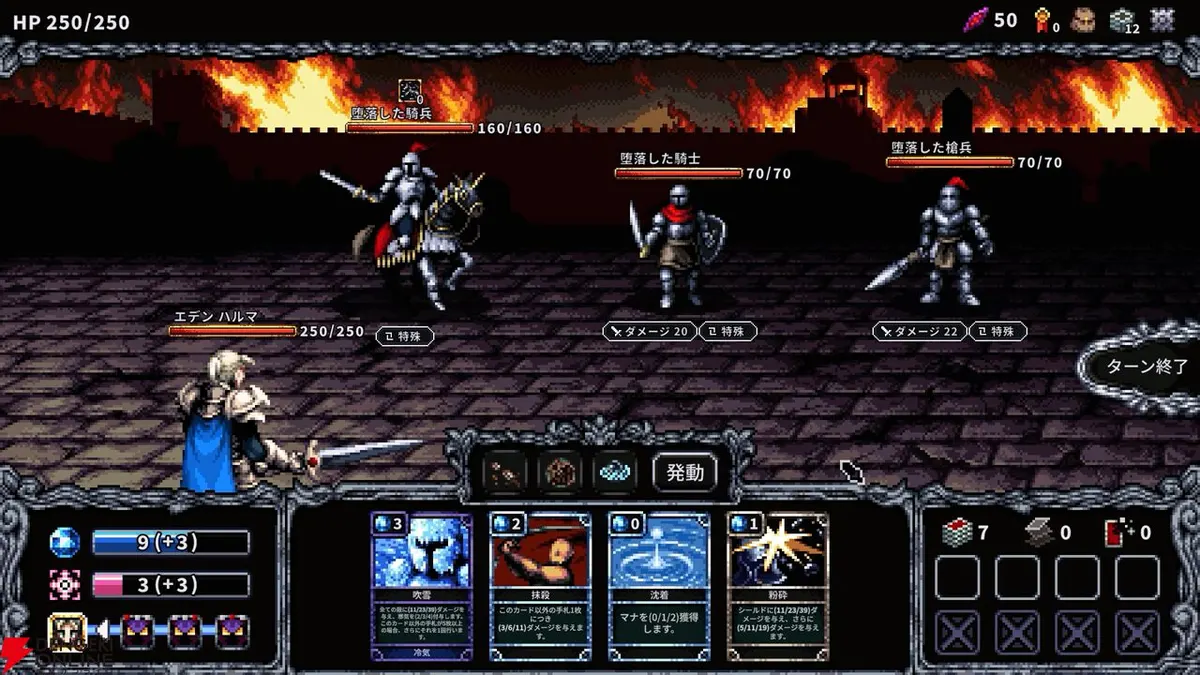
The Short Ranking
| Rank | Build | Why it ranks here | Difficulty |
|---|---|---|---|
| 1 | Crusade | Free Divine Sword, scalable upgrades, strong boss coverage | Low |
| 2 | Burn | Damage over time ignores some defensive turns, Eternal Flame payoff | Low-medium |
| 3 | Fury | Huge damage ceiling, but needs survival and stack management | Medium |
| 4 | Frost | Strong control, but requires setup and a shatter payoff | Medium-high |
This is a beginner ranking, not a speedrun ranking. A skilled player can clear with any lane. The order reflects how much the deck forgives before you understand the boss patterns.
1. Crusade: The Best First Build
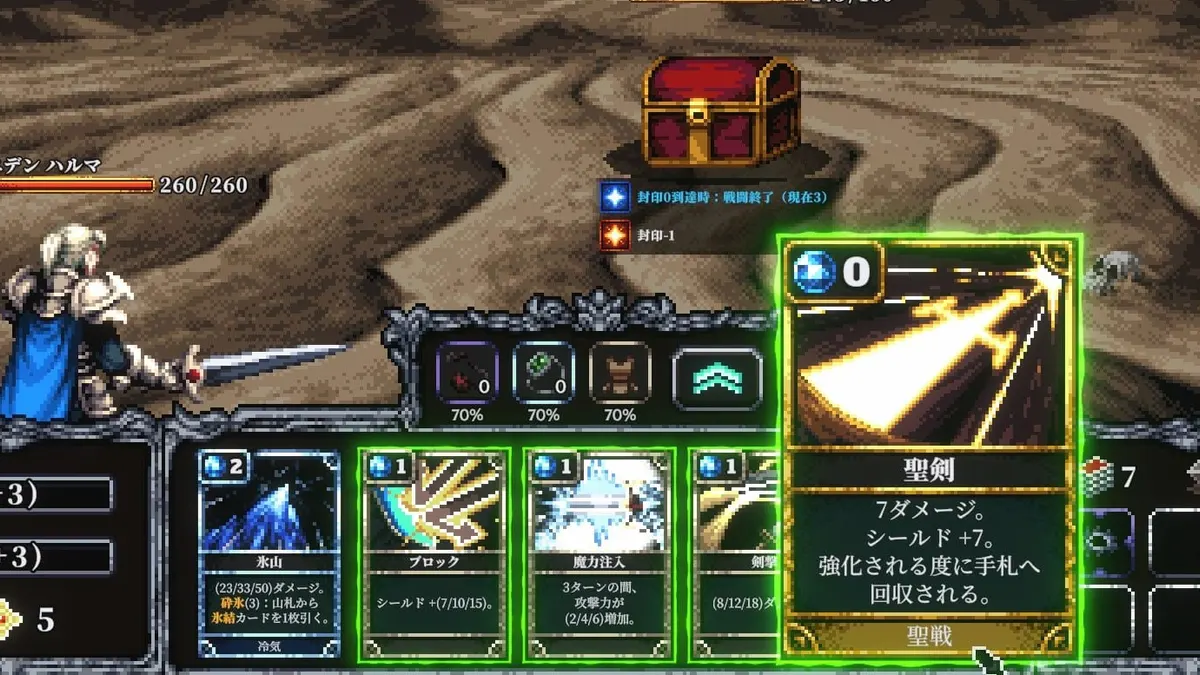
Crusade gives you a free 0-cost Divine Sword on the first Crusade card of a fight. That extra action is value even if you never upgrade the sword. As you build Faith, you can resummon and upgrade it with more damage, a shield, an AoE attack, or a return-to-deck effect. The lane has a clear plan: play Crusade cards, build Faith, and convert it into sword upgrades.
Its weakness is over-commitment. If you spend every resource on one sword and the boss removes it or moves out of range, you lose tempo. Keep a backup attack and do not treat the sword as your only damage source. The Crusade build guide→ covers the upgrade order.
2. Burn: The Most Forgiving Damage Plan
Burn is simple in the best way: apply stacks, survive, let the enemy burn. Eternal Flame doubles Burn on all enemies, which turns a modest setup into a boss-killer. Burn also benefits from multi-target fights, which are common in the Rift. The lane's weakness is short fights and cleansing; if the enemy dies before the stacks matter, your cards were inefficient.
Burn is a good second build because it teaches damage budgeting. You learn to estimate how many stacks are enough and when to switch to defense. The Burn build guide→ has the card priorities.
3. Fury: Highest Ceiling, Least Room for Error
Fury stacks turn Berserk cards into a snowball. The longer the fight, the harder you hit, which makes Fury excellent against bosses with large HP pools. The problem is that building Fury requires aggression, and aggression loses to a well-timed boss attack. You need a defensive card or artifact to survive the turns when you are not killing.
The 50 Fury achievement is a useful target because it teaches you how high the engine can go. Do not chase it in every run; chase the clear first. The Fury build guide→ explains the risk management.
4. Frost: Control With a Payoff Problem
Frost freezes enemies and converts the setup into Cryoshatter damage. It is the best lane at denying a dangerous action, which makes it strong against bosses with telegraphed attacks. The catch is that freeze alone does not win. You need enough shatter payoffs to convert control into damage, and you need to sequence the big turn before the freeze expires.
Frost is not a bad lane; it is a lane that asks more questions. If you like planning two turns ahead, it is rewarding. If you want a straightforward first clear, start with Crusade or Burn. The Frost build guide→ covers the shatter timing.
What Actually Makes a Build Work
Four things matter more than the lane name:
- Attunement reliability. A build that needs three successes every turn is a build that loses to variance.
- A defensive floor. Every lane needs a way to survive a big hit.
- One payoff, repeated. Stacking one status and converting it is better than dabbling in three.
- Boss coverage. Some lanes handle multi-enemy fights better; check the boss guide→ before committing.
A great build with bad artifact rates is a bad build. Let the artifacts you find push you toward a lane, not the other way around.
Co-op Rankings
In co-op, Crusade and Burn move up because they contribute without needing perfect team coordination. Fury needs a tank or a defensive partner to cover its setup turns. Frost is excellent with a coordinated team that can burst during the freeze window. The co-op guide→ has team compositions.
FAQ
Which build is best for the Rift 15 clear? Crusade and Burn are the most consistent for a first clear. Fury has a higher ceiling but less room for mistakes.
Can I switch builds mid-run? You can pivot if the cards and artifacts support it, but a late pivot usually produces two weak engines. Commit early.
Are these rankings final? No. HARMA is in Early Access and balance patches can change status values, card pools and boss behavior.
Official source: HARMA on Steam ↗
Sources
- HARMA on Steam ↗
- HARMA Steam news and patch notes ↗
- HARMA Early Access roadmap on Gematsu ↗
- HARMA launch report on AUTOMATON ↗