
HARMA Burn Build Guide: Stack Fire and Let It Spread
A complete HARMA Burn build: core cards, Eternal Flame, artifact priorities and boss turns for the Fire affinity.
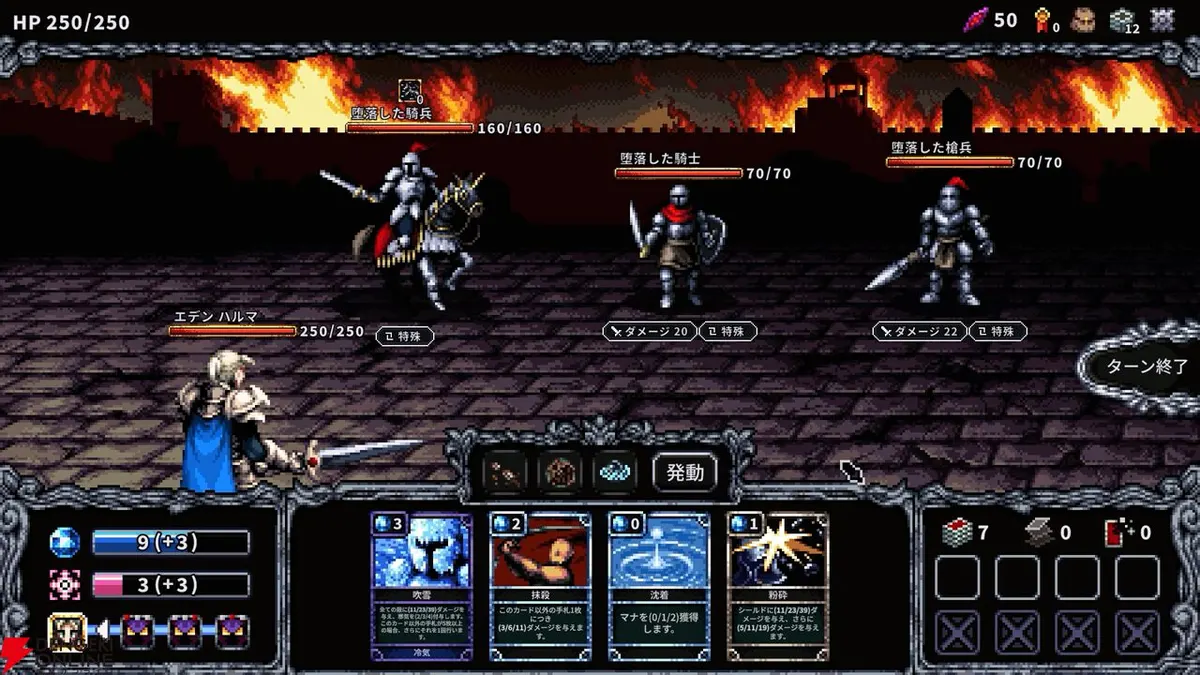
Burn is the most straightforward HARMA build to pilot and one of the most reliable for a first Rift clear. The plan is simple: apply Burn to everything, survive the turns when the enemy is still alive, and let the damage tick while you set up the next wave. The lane's ceiling comes from Eternal Flame, the legendary artifact that doubles Burn on all enemies. The floor comes from cheap multi-hit cards that apply stacks without demanding perfect attunement. This guide covers the cards, artifacts and turn patterns that make the build work in the Early Access build. If you are still comparing lanes, the best builds page→ ranks all four.
Why Burn Works
Burn converts time into damage. Every turn the enemy survives is a turn your stacks are working, which means Burn builds do not need to kill in one explosive turn. That is valuable against bosses with large HP pools and against multi-enemy fights where a single application can cover the whole board. It also means Burn is forgiving of a missed attunement: even a low-tier hit can apply enough stacks to keep the engine running.
The weakness is obvious: if the enemy dies before the stacks matter, or cleanses them, your cards were inefficient. Burn is strongest in longer fights and weakest in short hallway battles where raw damage would have ended the fight sooner.
Core Card Priorities
Look for three card types:
- Cheap multi-hit attacks. Each hit is a chance to apply Burn, and multiple hits make the stack count climb quickly.
- AoE Burn application. One card that tags every enemy saves turns in multi-enemy fights.
- Damage amplifiers or Burn extenders. Anything that increases Burn damage or keeps stacks from falling off is premium.
Avoid cards that require a different status to function. A Burn card that needs Frost setup is a trap unless you already have a bridge. Your deck should be able to function with Fire cards alone.
Artifact Priorities
Burn cares about consistency more than maximum damage. You want your application cards to hit at least the middle tier reliably. Rate-boosting artifacts are therefore high priority. Eternal Flame is the build-defining legendary; if you find it, commit hard to Burn and prioritize multi-target application.
Blue Pyramid is a reasonable early safety net, but once your rates are stable, replace it with a damage or Burn payoff artifact. Broken Sword is a trap for Burn: the lower success rate hurts your application more than the flat attack bonus helps. The artifact guide→ explains the slot trade.
The Nightmare Shard can be a nice supplemental damage source because it accumulates damage as you play cards, but it is not a substitute for Burn. Treat it as a second engine only if your deck already applies stacks reliably.
Against multiple enemies, spend one turn applying Burn to everything, then use your defensive tools. The stacks keep working while you block.
Turn Pattern
A typical Burn turn has three questions:
- Is Burn applied to every enemy that matters? If not, apply it now.
- Can I survive the incoming damage with what I have? If not, block or freeze before adding more stacks.
- Is there a payoff card that converts stacks into immediate damage? If yes, use it when the enemy is low or when a phase is about to end.
Do not over-apply Burn to an enemy that will die next turn. Spread stacks to the targets that will live long enough to take damage. Against a single boss, stack early and then switch to defense and payoff cards.
Boss Matchups
Burn is strong against bosses that summon adds or take multiple turns to set up. It is weaker against bosses that punish long fights or cleanse statuses. Against Dual Head, apply Burn to both heads if possible, then focus the one whose next action is more dangerous. Against Tyrant Dragon, Burn helps while you deal with its defensive conversion; do not ignore the adds. Against Mortes, expect a long fight and plan your defensive resources around the Ordeal mechanics.
The boss guide→ covers the full order and the preparation checklist.
Co-op Burn
In co-op, Burn is a strong support lane because your stacks help the whole team's damage. Coordinate with your partner: one player applies Burn, another brings direct damage and block. Do not run four Burn decks; the stacks do not need four applicators, and the team will lack burst and defense.
Mimic, the co-op card that makes the next teammate card trigger twice, is excellent with a big Burn application card. Save it for the turn where doubling the application matters, not for a random attack.
Common Mistakes
- Building Burn and Frost without a bridge.
- Buying Eternal Flame and then neglecting defense.
- Applying stacks to a target that dies before the ticks matter.
- Forcing three-success lines when one success would apply enough Burn.
FAQ
Is Burn viable without Eternal Flame? Yes. Eternal Flame raises the ceiling, but cheap multi-hit cards and AoE application can carry a run without it.
Does Burn stack infinitely? Stacks accumulate up to the game's cap and tick over time. The exact cap can change in patches; assume high stacks are good but do not rely on a specific number.
Should I take Broken Sword in a Burn deck? Usually no. The lower attunement rate hurts your application, and the flat attack bonus does not compensate.
Official source: HARMA on Steam ↗
Sources
- HARMA on Steam ↗
- HARMA Steam news and patch notes ↗
- HARMA Early Access roadmap on Gematsu ↗
- HARMA launch report on AUTOMATON ↗